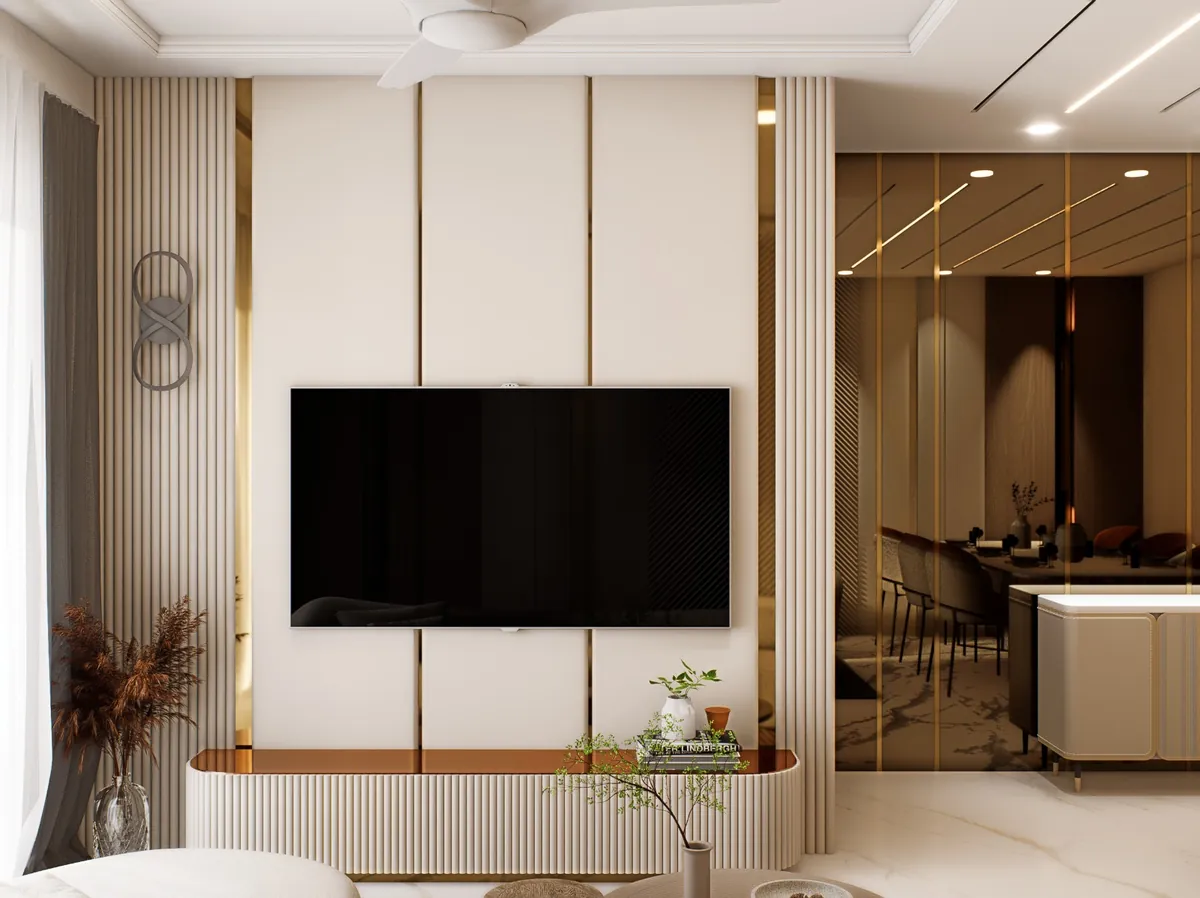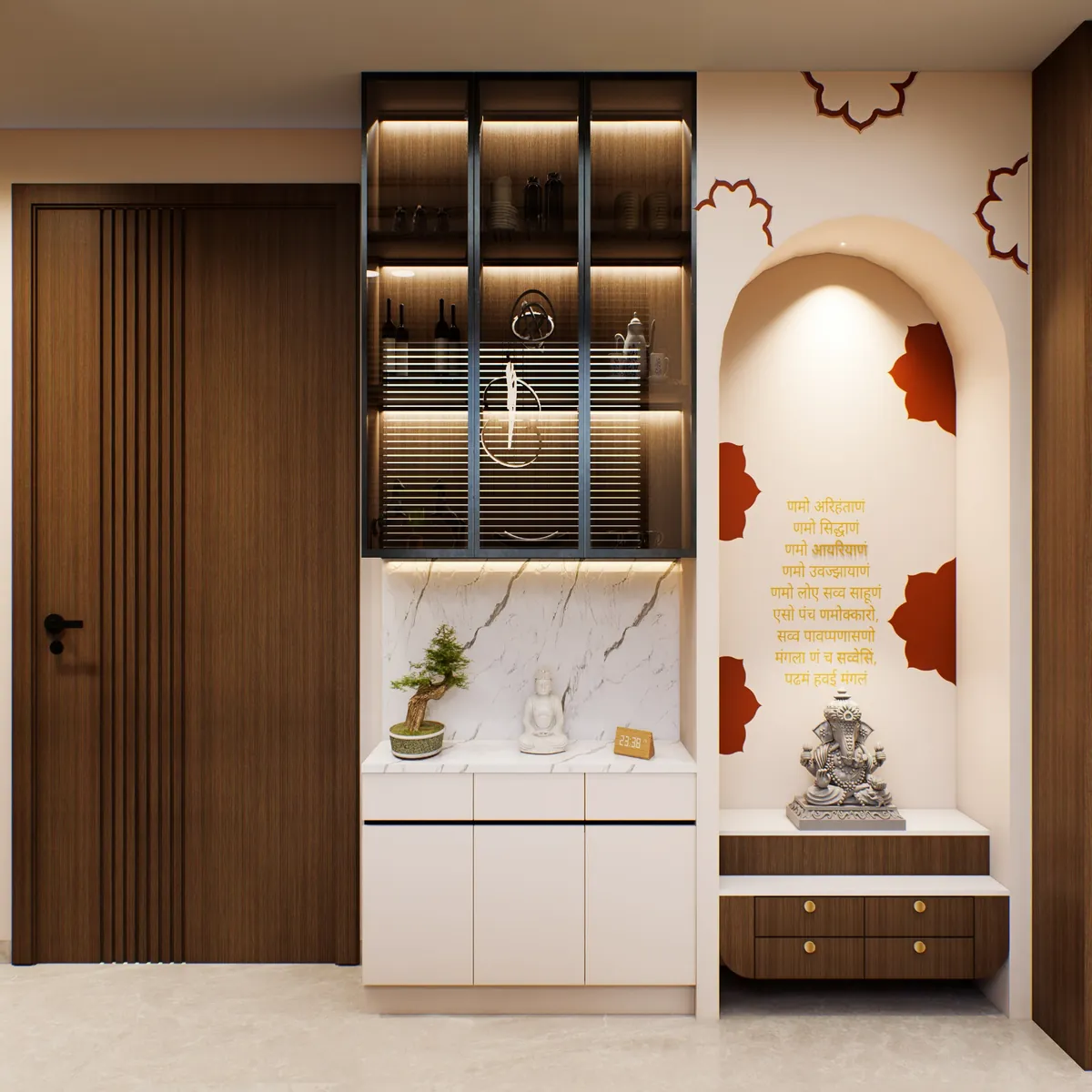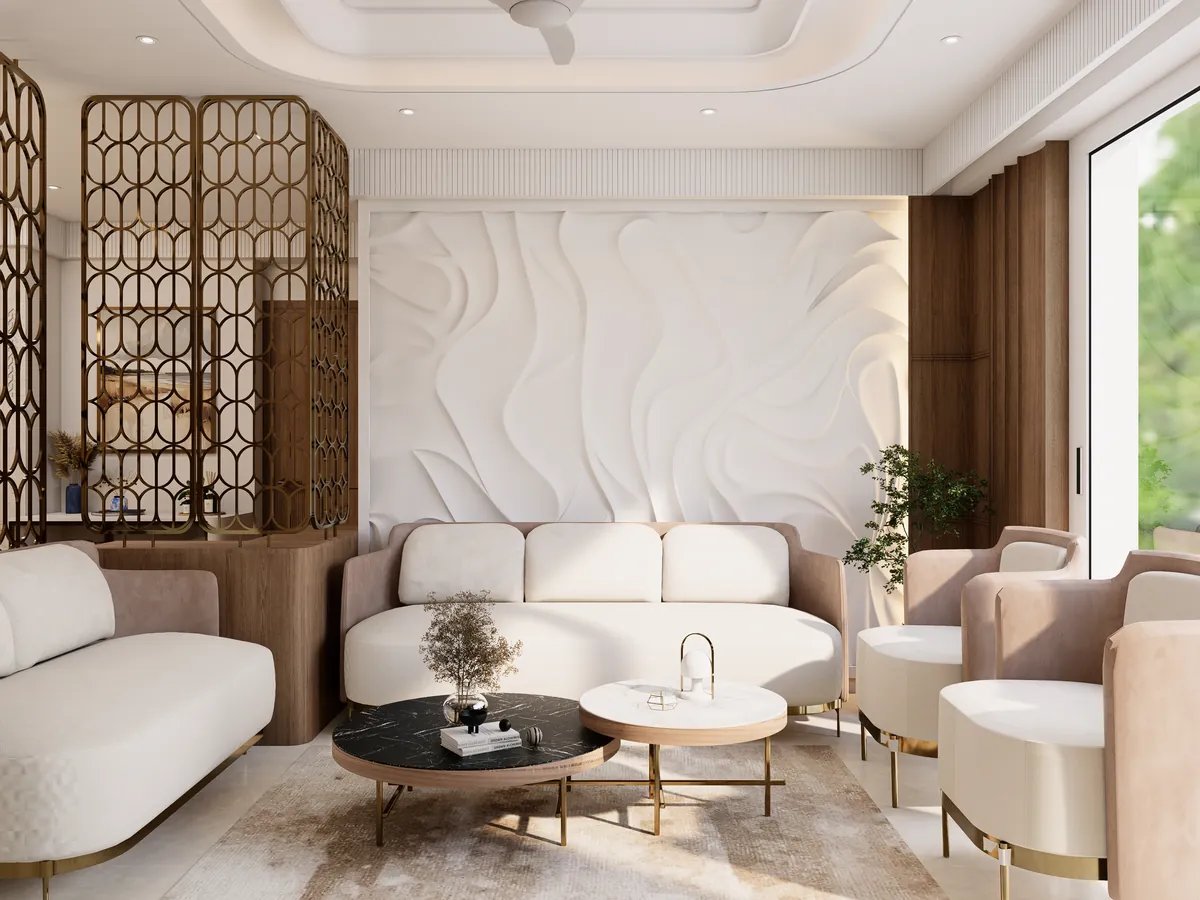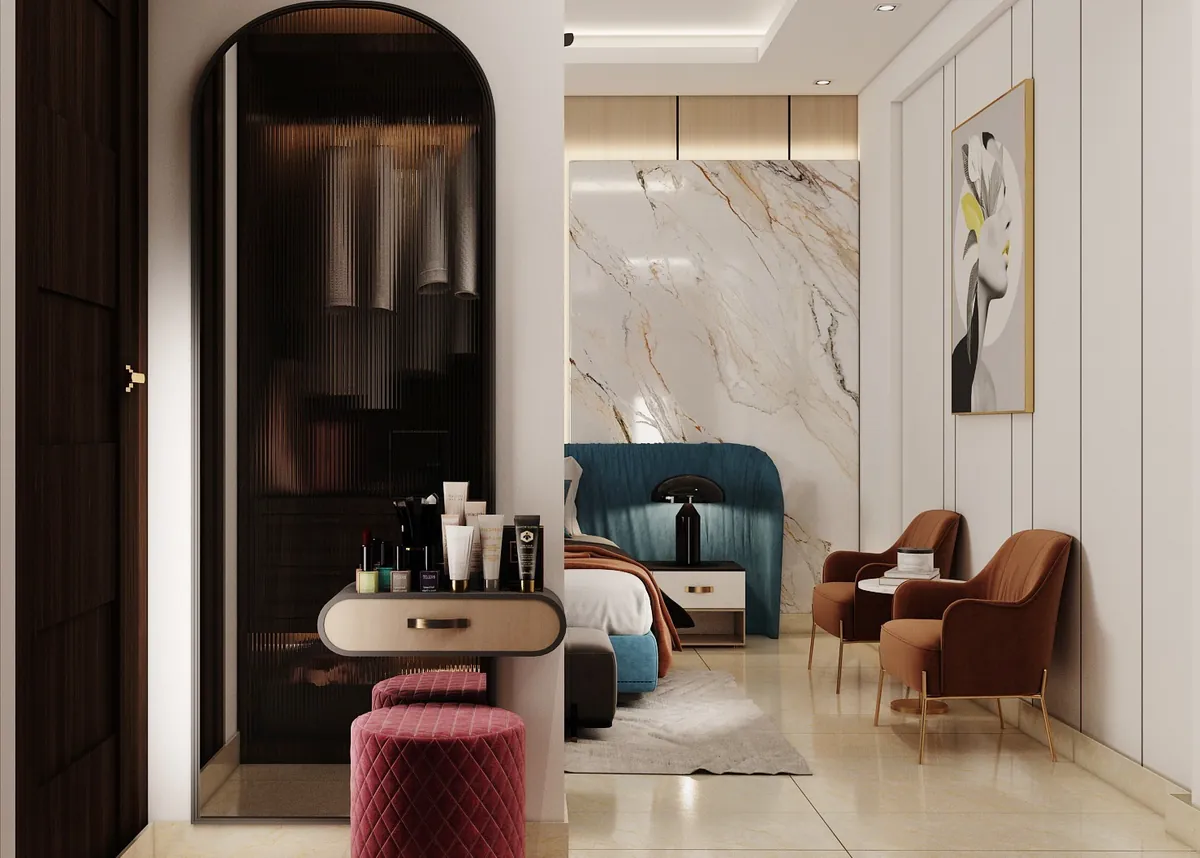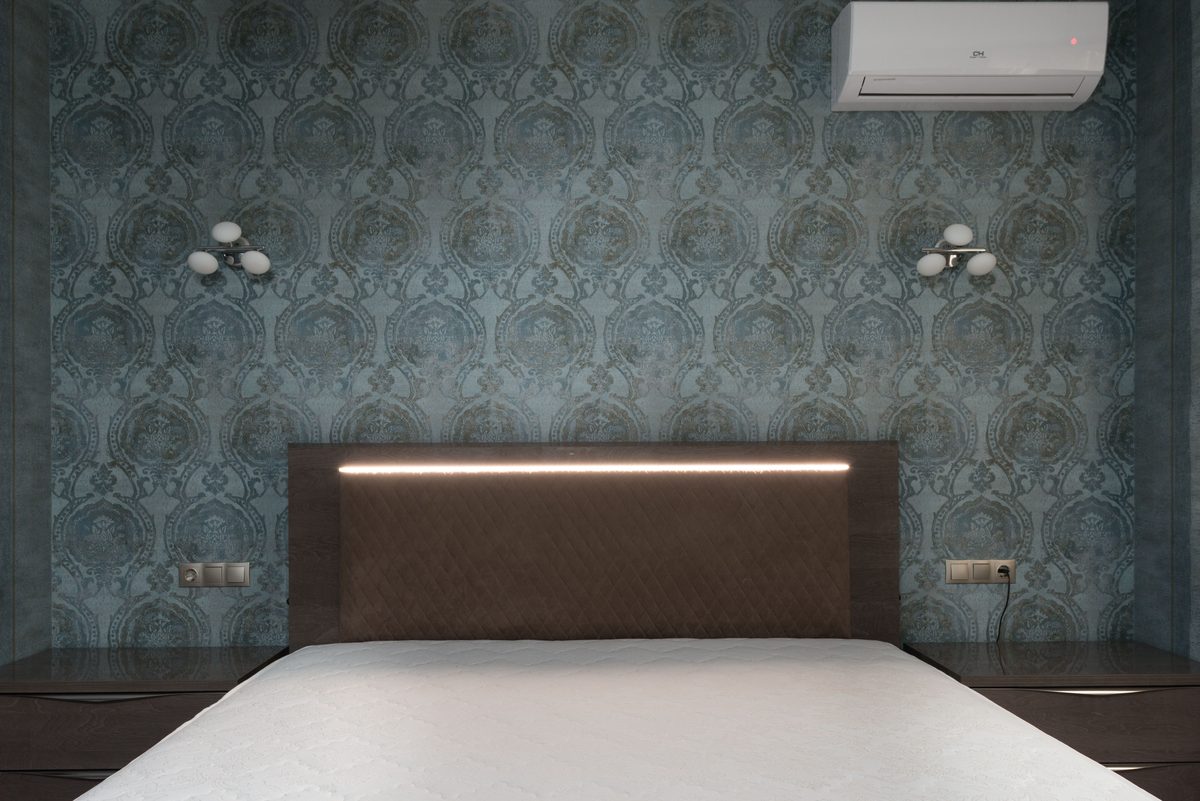
Paint is cheaper (about ₹25 to ₹42 per sq ft including labour) and easier to maintain, and premium emulsions carry warranties of up to 8 years. Good-quality vinyl or non-woven wallpaper can last 10 to 15 years, but only on a dry, smooth wall, and it costs several times more. In Gurgaon, use paint for kitchens, bathrooms and any wall with damp, and keep wallpaper for feature walls in dry, air-conditioned rooms.
Wallpaper has made a strong comeback in Indian homes, and its patterns and textures can transform a wall in a day. Paint is cheaper, simpler and easier to repair. The right choice depends less on looks than on the wall behind it, the room it is in and Gurgaon's mix of dry heat, dust and monsoon humidity. This guide compares wallpaper vs paint on cost, lifespan and climate, room by room.
Key facts at a glance
| Question | Short answer |
|---|---|
| Which is cheaper? | Paint: about ₹25 to ₹42 per sq ft with labour |
| What does wallpaper cost? | From about ₹120 per sq ft for printed paper, plus about ₹30 per sq ft installation; vinyl and non-woven rolls run about ₹2,000 to ₹16,000 |
| Which lasts longer? | Good wallpaper, up to about 15 years when maintained; premium paint, about 8 to 10 years |
| What ruins wallpaper? | Damp walls, seepage and high humidity, which cause bubbling, peeling and mould |
| Best use of wallpaper? | Feature walls in dry, air-conditioned bedrooms and living rooms |
Wallpaper vs paint: side by side
| Factor | Paint | Wallpaper |
|---|---|---|
| Cost | Lower | Higher, often several times paint |
| Lifespan | About 8 to 10 years for premium emulsions | Up to about 15 years for good vinyl or non-woven |
| Damp and seepage | Shows stains but survives | Peels, bubbles and can grow mould |
| Cleaning | Washable premium emulsions | Vinyl wipes clean; paper types do not |
| Repairs | Touch up a patch | Replace a whole drop or panel |
| Design range | Colour and texture finishes | Patterns, murals, textures, fabric looks |
| Installation | A few days per room | Often a day per wall, after wall preparation |
| Changing your mind | Repaint | Strip, repair the wall, then refinish |
What each option costs
Paint
| Grade | Starting material rate | All-in with labour |
|---|---|---|
| Economy emulsion | From about ₹7 to ₹9 per sq ft | About ₹25 to ₹42 per sq ft, depending on home size and finish |
| Premium emulsion | From about ₹15 per sq ft | |
| Luxury emulsion | From about ₹27 per sq ft |
Wallpaper
| Type | Typical price | Notes |
|---|---|---|
| Printed paper | From about ₹120 per sq ft | Least durable; for dry, low-traffic walls |
| Non-woven | Around ₹2,100 per roll and up | Breathable, easier to remove |
| Vinyl | Around ₹2,800 per roll and up | Water-resistant and wipeable |
| Designer brands | About ₹3,000 to ₹16,000 per roll | Wide range by brand and collection |
| Installation | About ₹30 per sq ft | Includes sanding, priming and hanging |
Allow 10 to 15% extra wallpaper for pattern matching and awkward walls. Prices vary by brand and change often, so treat these as a starting point.
Which lasts longer in Gurgaon's climate?
On paper, good wallpaper outlasts paint. In practice, Gurgaon's conditions decide it.
Monsoon humidity and seepage
Wallpaper suppliers themselves warn that high humidity weakens the adhesive and causes bubbling, peeling and mould, and that wallpaper on a damp wall traps the moisture. Paint on a damp wall also stains and flakes, but it can be treated and touched up. Wallpaper usually has to come off.
Seepage is the biggest risk in older Gurgaon homes and on walls next to bathrooms, terraces and external faces. Fix the cause, let the wall dry fully and test it before any finish goes on. Note that most interior warranties exclude seepage damage; see our interior design warranty guide.
Dry heat, dust and sunlight
Dust settles on textured wallpaper and is harder to clean than a washable emulsion. Strong afternoon sun through west-facing windows can fade both finishes over time, so choose fade-resistant collections and lighter tones on sun-facing walls.
Air-conditioned rooms
Rooms kept cool and dry for most of the year, such as bedrooms, studies and formal living rooms, are where wallpaper performs best.
Room by room: wallpaper or paint?
| Room or wall | Best choice | Why |
|---|---|---|
| Bedroom headboard wall | Wallpaper | Dry, low-touch, high visual impact |
| Living room feature wall | Wallpaper | Behind the TV or sofa, away from moisture |
| Pooja room or study | Either | Wallpaper for pattern; paint for simplicity |
| Kids' room | Washable paint, or vinyl wallpaper above dado height | Scrubbable at hand height |
| Kitchen | Paint (or tiles near the counter) | Steam, heat and grease |
| Bathroom | Paint or tiles | Constant moisture |
| Walls with any damp or seepage | Paint, after repair | Wallpaper will fail |
| Rental flats | Paint | Cheap to refresh between tenants |
The combination that works best
Most good interiors use both. Paint every wall, then add wallpaper to one or two feature walls in dry rooms. You get the look of wallpaper where it shows, with the easy upkeep of paint everywhere else. Our guide to interior materials for Gurgaon's climate covers the other finishes in the house.
Before you install wallpaper: six checks
- Moisture test the wall. No damp patches, efflorescence or seepage.
- Fix the cause, not the stain. Repair plumbing or external leaks first.
- Prepare the surface. Smooth putty, sanded, primed.
- Choose the right type. Vinyl for any room with humidity; non-woven for easier future removal.
- Order extra. 10 to 15% for pattern matching and future repairs, from the same batch.
- Use a trained installer. Most wallpaper failures come from poor wall preparation, not the paper.
How The Omega Group approaches wall finishes
At The Omega Group, finishes are reviewed with you as physical samples or specification sheets before anything is ordered, so you see the actual paint shade or wallpaper texture in your room's light. As a turnkey studio, the same team prepares the walls, fixes any damp and installs the finish. Book a free consultation to plan your walls with the rest of your home.